
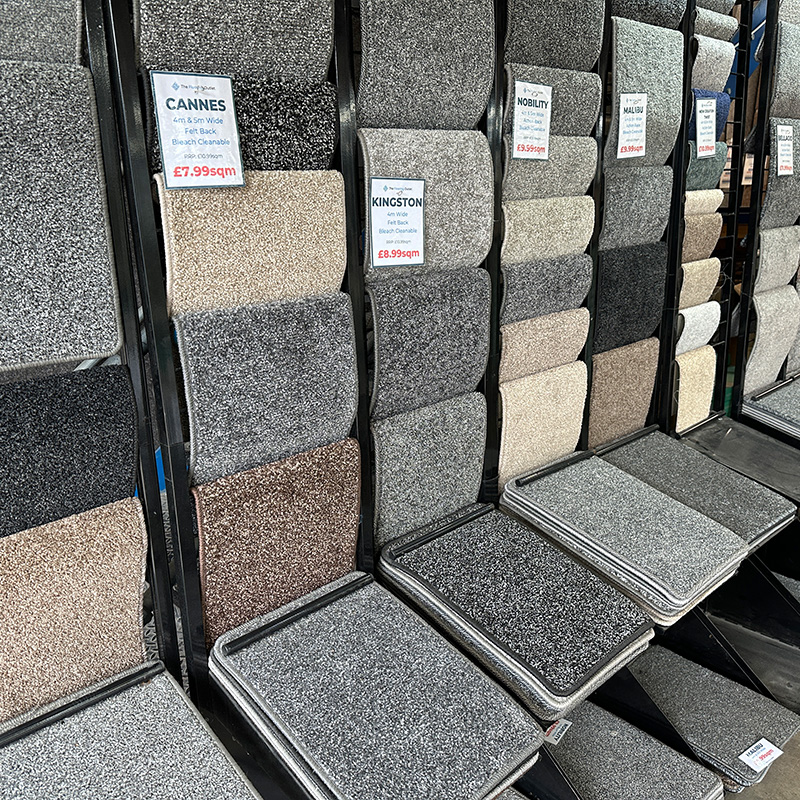
Choosing the right carpet underlay is a decision that affects comfort, warmth, sound, and the longevity of your carpets. With a wide range of options available, finding the best underlay for your carpet can feel overwhelming. This guide covers the essential considerations, benefits, and practical tips to help you select the right carpet underlay for your home.
Why Underlay Matters for Carpets
Carpets bring warmth, colour, and texture to a room, but the underlay beneath them plays a crucial supporting role. The underlay acts as a cushioning layer that:
- Improves comfort underfoot
- Enhances thermal insulation
- Reduces noise and footstep sound
- Extends the life of the carpet by distributing weight and protecting against wear
Understanding these benefits helps you make an informed choice when evaluating carpets and their underlay.
How to Choose the Right Carpet Underlay
Selecting the best carpet underlay depends on several factors. Consider the room, carpet type, and your priorities, such as comfort, warmth, or acoustics.
Material Options: What Are Underlays Made Of?
Carpet underlays come in a few main materials, each with its own characteristics:
- Polyolefin foam: Lightweight, affordable, and good for general use.
- Secondary foam underlays: Layered foams that offer added resilience and comfort.
- Rubber or sponge rubber: Durable and supportive, often used in higher-traffic areas.
- Felt: A natural or fibre-based option that provides excellent insulation and sound reduction.
- Cork: A sustainable option with good thermal properties and comfort.
- Multi-layer composites: Combine foams, rubber, and felt for balanced performance.
Thickness and Density: How Thick Should Your Underlay Be?
Underlay thickness is typically measured in millimetres. Common ranges are:
- 6–8 mm: Good all-round comfort and cost-effectiveness
- 9–12 mm: Enhanced cushioning and thermal insulation
- 12–15 mm: Maximum comfort and sound reduction, often used in living rooms or bedrooms
Density, often expressed as kg/m2, affects durability. Higher density underlays resist compression better and last longer.
Specific Purposes: Noise Reduction, Warmth, or Luxury Feel?
- Acoustic underlays: Designed to dampen footfall and room reverberation, beneficial in flats or upstairs rooms.
- Thermal underlays: Optimise heat retention in colder homes or rooms with minimal insulation.
- Luxury underlays: Higher-end materials (like premium felt or rubber blends) offering superior comfort and durability.
Practical Considerations for Different Rooms
Different rooms have distinct demands. Matching underlay to room use can maximise performance and value.
Living Rooms and Bedrooms
For living rooms and bedrooms, comfort and warmth are often top priorities. A thicker underlay (9–15 mm) with good density can deliver plush underfoot feel and better insulation, turning a carpeted space into a cosy retreat.
Hallways and Stairs
High-traffic areas benefit from durability and compression resistance. Look for underlays with higher density and robust backing, such as rubber-based products, which resist wear and maintain shape over time.
Kitchens and Bathrooms
In moisture-prone areas, water resistance becomes important. Waterproof or water-resistant underlays paired with suitable carpets can prevent moisture damage. Ensure the underlay is compatible with any potential damp conditions and that installation follows manufacturer guidelines.
Underfloor Heating Scenarios
If you have underfloor heating, you’ll need underlays specifically rated for use with heating systems. These underlays typically have low tog ratings and high thermal conductivity to efficiently transfer heat while maintaining comfort.
Installation Tips: Getting It Right
- Check compatibility: Not all carpets pair well with all underlays. Read manufacturer guidelines for compatibility and warranty protection.
- Prepare the subfloor: Ensure it is clean, dry, and level before laying the underlay.
- Use joining tape: Secure seams to prevent movement and bumps under the carpet.
- Allow for expansion gaps: Leave slight gaps around edges if needed, per instructions.
- Hire a professional for large projects: For meticulous results and to protect warranties, professional installation can be worthwhile.
Maintenance and Longevity
- Vacuum regularly to remove dust and debris that can degrade underlay and carpet fibres.
- Address spills promptly to avoid moisture seeping into the underlay.
- Consider periodic replacement: Underlays wear out over time, especially in high-traffic areas.
Final Thoughts: Making the Right Choice
The best underlay for your carpet depends on your priorities, comfort, warmth, durability, and acoustic performance. By understanding the material options, thickness and density, and room-specific needs, you can select a carpet underlay that enhances the beauty and longevity of your carpets. When in doubt, consult with a specialist or consider taking samples home to compare in your living space.