
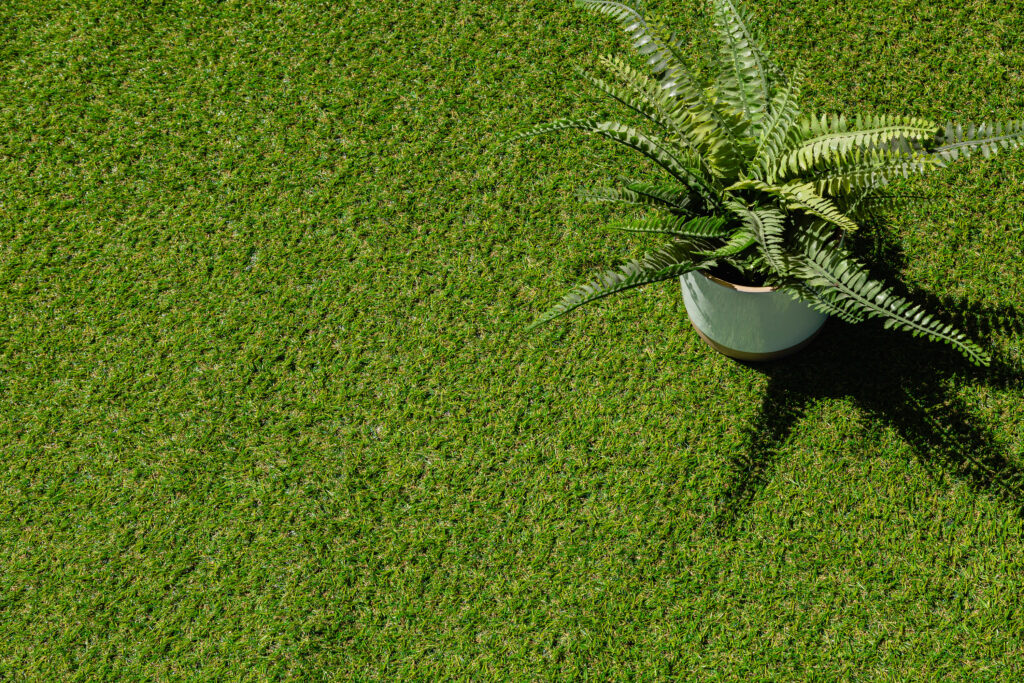
Artificial grass is a popular, affordable way to create a lush, low-maintenance outdoor space. Laying artificial grass on concrete can transform a dull patio or balcony into a green, inviting area. With the right preparation and a few careful steps, you can achieve a durable, natural-looking finish without the ongoing upkeep of real grass.
According to Royal Horticultural Society, there are several important artificial grass installation considerations to ensure a long-lasting result, especially when working with solid surfaces like concrete.
Why Lay Artificial Grass on Concrete?
Concrete surfaces offer a stable, durable base that’s ideal for installing artificial grass in spaces like balconies, rooftops, or patios where soil is not available. A properly installed artificial grass on concrete can:
- Create a welcoming, green look year-round
- Reduce maintenance compared with real grass
- Be a cost-effective solution in the long term
- Improve drainage and comfort when the subfloor is correctly prepared
Proper drainage is essential. Industry bodies such as Sports and Play Construction Association highlight the importance of permeable backing and correct water runoff to prevent pooling and extend the life of artificial surfaces.
Planning and Selecting Materials
Choosing cheap artificial grass without sacrificing quality
One of the keys to a successful install is selecting the right product. When shopping for artificial grass, you’ll find a range of pile heights, densities, and backing systems.
You can browse affordable options here – https://theflooringoutlet.co.uk/product-category/artificial-grass/
For concrete installs, look for:
- Moderate to short pile height (10–25 mm)
- Good drainage backing with a permeable weave
- UV resistance to maintain colour in direct sun
- A robust backing that can handle foot traffic
Additional Materials and Tools
Beyond the grass itself, you’ll need:
- A high-quality outdoor adhesive or double-sided tape
- A weed membrane or geotextile sheet (optional)
- A thin underlay or foam padding (recommended)
- A sharp utility knife, notch trowel, and roller
- A broom or power brush
Using trusted products, such as those from Everbuild, ensures you are applying a reliable outdoor adhesive suitable for artificial turf.
Surface Preparation
Clean and repair the concrete
A clean, dry surface is essential. Remove debris, oil, and loose material. If necessary, fill cracks before installation.
Resources like DIY Doctor explain how to properly repair cracks in concrete surfaces, helping prevent uneven finishes.
Create a slight slope for drainage
If your installation is outdoors, ensure there is a gentle slope to allow water to run off. Even a small gradient improves drainage and prevents standing water.
Install a moisture barrier or weed membrane
A weed membrane can help prevent growth through cracks and provide an additional drainage layer. Ensure it sits flat with no folds.
Installation Steps
1. Plan the layout and cut pieces
Unroll the artificial grass and allow it to settle for 15–30 minutes.
2. Trim and fit
Cut the grass to size using a sharp knife.
3. Apply adhesive or tape
Apply adhesive evenly along edges and seams.
4. Secure the turf
Press the turf into place firmly using a roller.
5. Seams and edging
Join sections using seam tape and align fibres carefully.
6. Finish and cure
Allow adhesive to cure fully before use.
Maintenance and Longevity
Regular care
- Brush fibres regularly
- Remove debris promptly
- Rinse occasionally
For general cleaning standards, organisations like the British Cleaning Council recommend consistent regular cleaning and upkeep to extend surface lifespan.
Dealing with stains
Most stains can be removed with mild soap and water.
Seasonal considerations
Even budget-friendly artificial grass performs well year-round with proper care.
Safety and Comfort
Foot traffic and cushioning
Adding a thin underlay improves comfort on concrete surfaces.
Temperature considerations
Artificial grass can become warm in direct sunlight. Guidance from the UK Health Security Agency highlights how surfaces can become hot in direct sunlight, so consider shaded areas where possible.
Final Thoughts
Laying artificial grass on concrete is a practical way to upgrade outdoor spaces with minimal maintenance. By choosing the right materials and following correct installation methods, you can achieve a long-lasting finish.